First Aid-Lesson 5-Risk and hazard management
Potential hazards and risk
Identification of risks and hazards for a first aider, which may affect the process of treatment for the casualty and the first aider as well. Proper risk management requires immediate decisions to address the incident. Failure to respond promptly may result in the casualties’ injuries going from bad to worse and can lead to death if not handled accordingly. It is important during this risk assessment process not to put yourself in unnecessary danger and to remove the hazard if possible before you commence First aid or CPR.
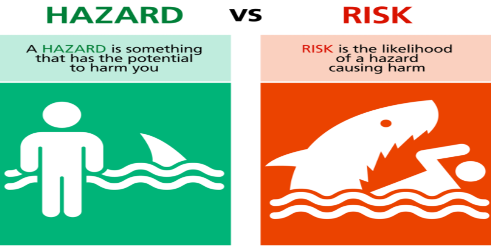
A hazard is a potential situation or source that can cause harm, such as a life-threatening injury or illness, or damage to property or the surrounding environment.
Risk is the potential for a hazard to affect you or anyone nearby, causing damage or life-threatening injury.
Once the emergency has happened, you need to make sure everyone around the affected area is
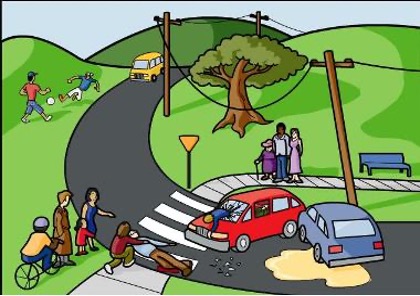
Once the emergency has happened, you need to make sure everyone around the affected area is safe and check for any hazards and risks to:
- Yourself
- Bystanders
- Casualties
Conduct a primary survey of the scene to identify anything that may pose a risk or threaten the safety of those on or around the affected area.
Identification of hazards
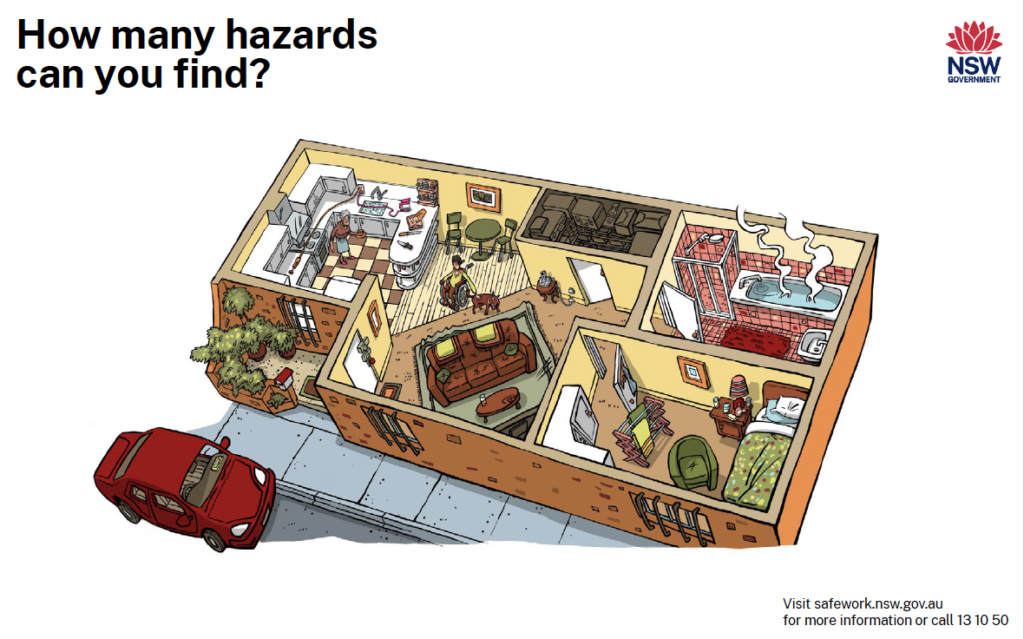
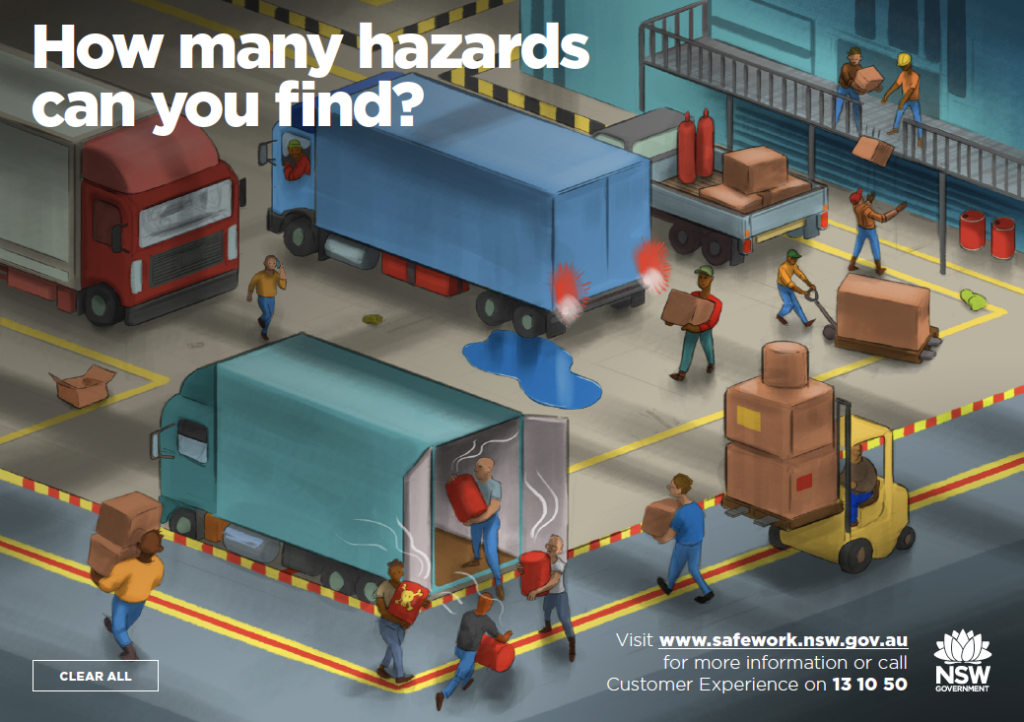
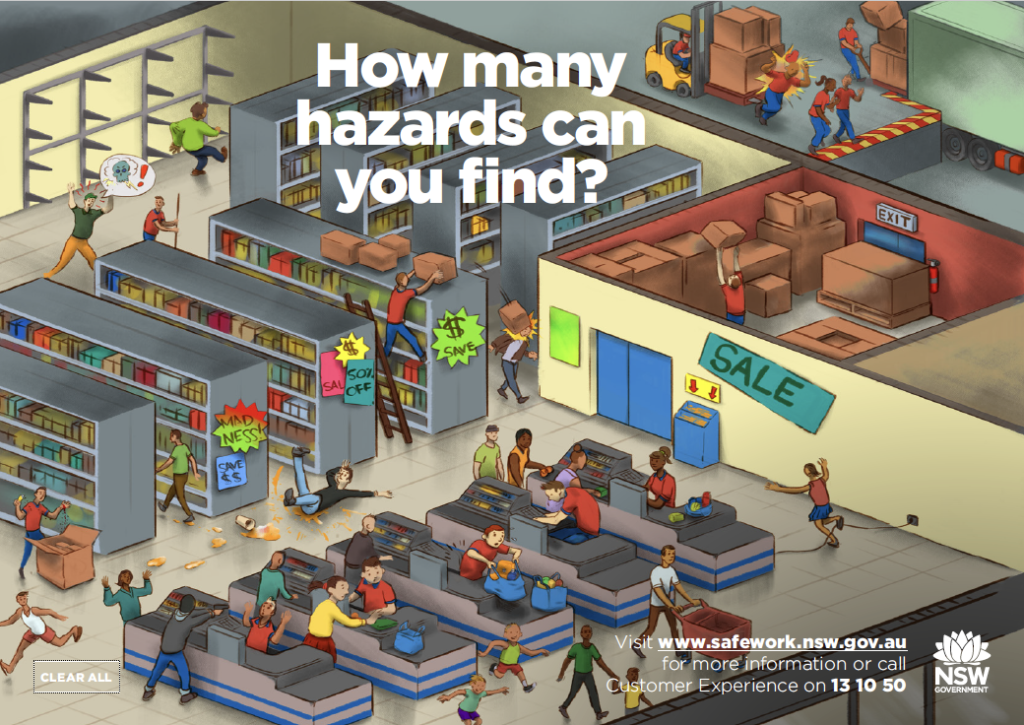
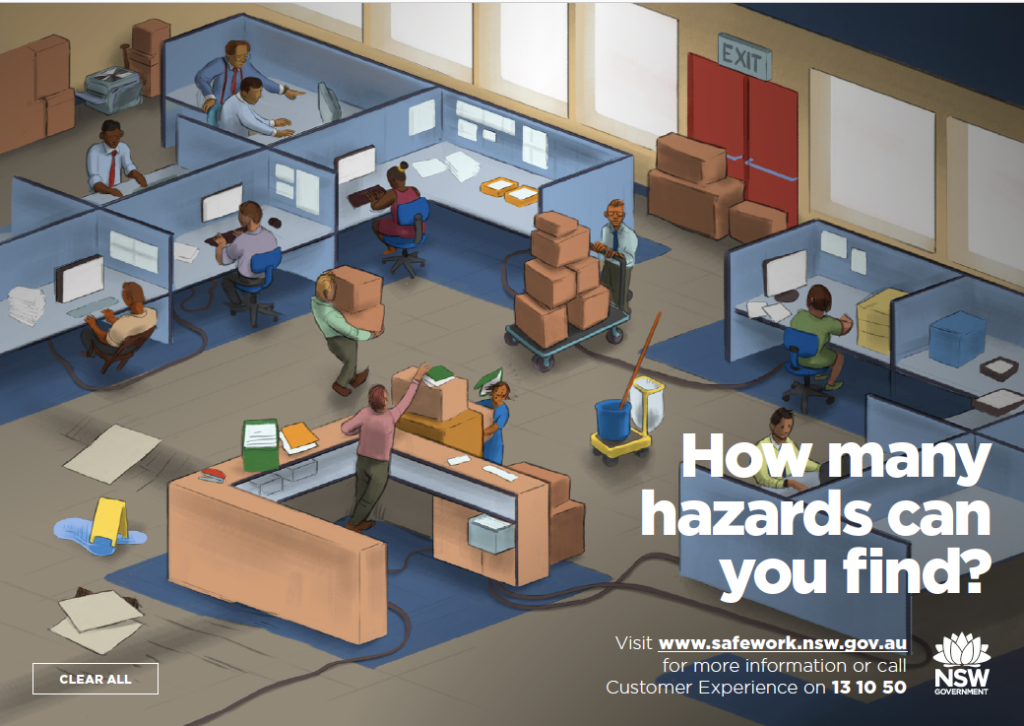
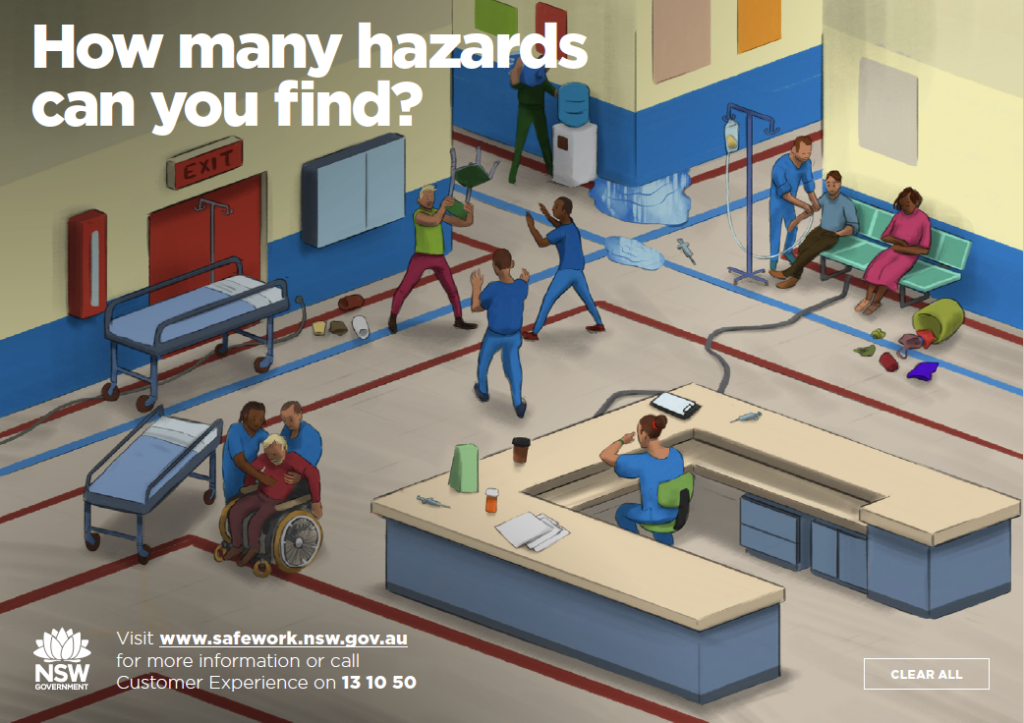
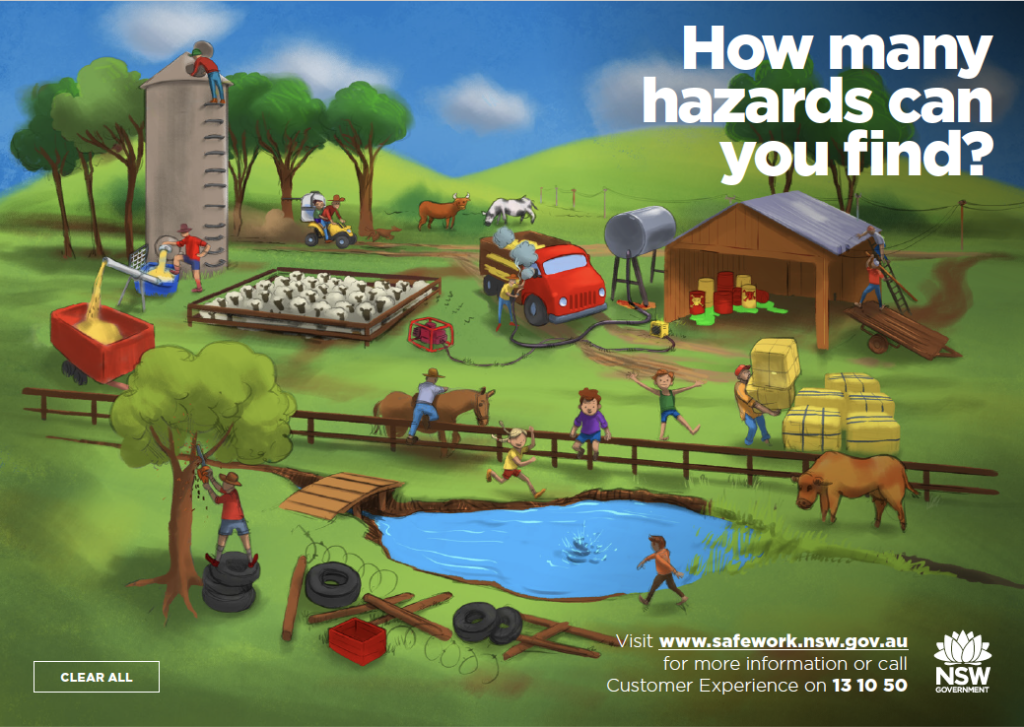
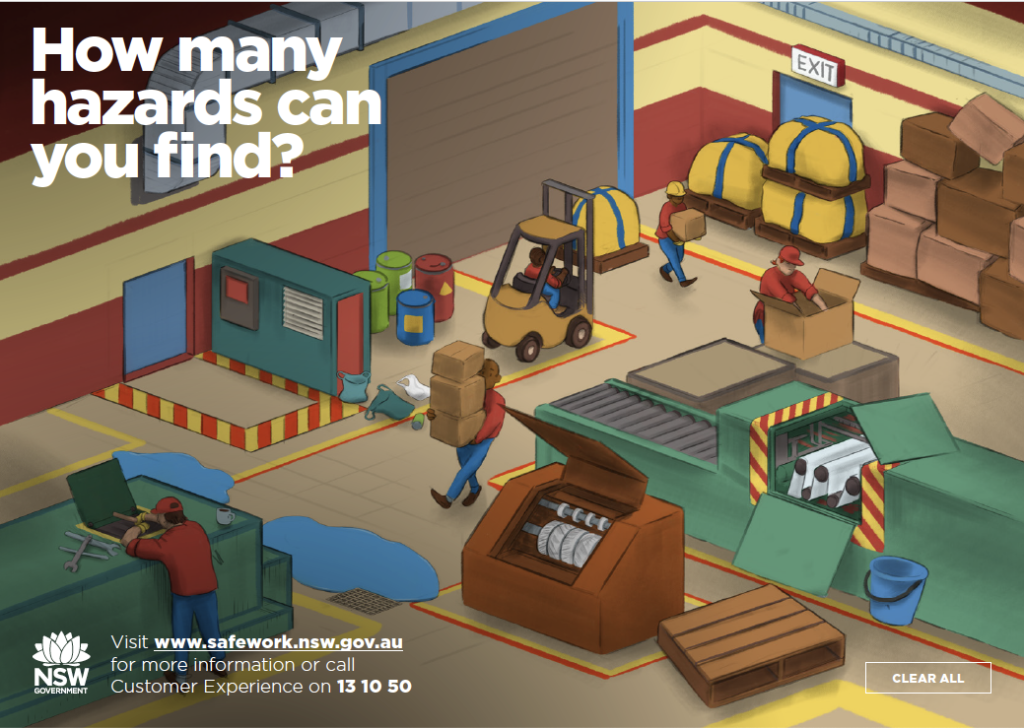
During the early risk assessment, a potential hazard must be identified or eliminated and, if possible, control measures introduced. Following an incident, there may be more than one hazard at the scene.
| Unstable structures | Smoke |
| Slippery surfaces | Gases |
| Sharp metal edges | Fumes |
| Risk of explosion | Fire |
| Oncoming traffic | Electricity |
| Flammable material | Chemicals |
| Fast flowing water | Bullets |
| Falling masonry | Bombs |
| Fallen power lines | Biohazards |
Use your senses to identify any potential hazard
Use your senses to identify any potential hazards before starting first aid.
Senses:
- Hear
- See
- Smell
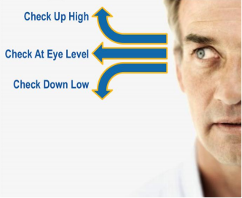
Check-up high
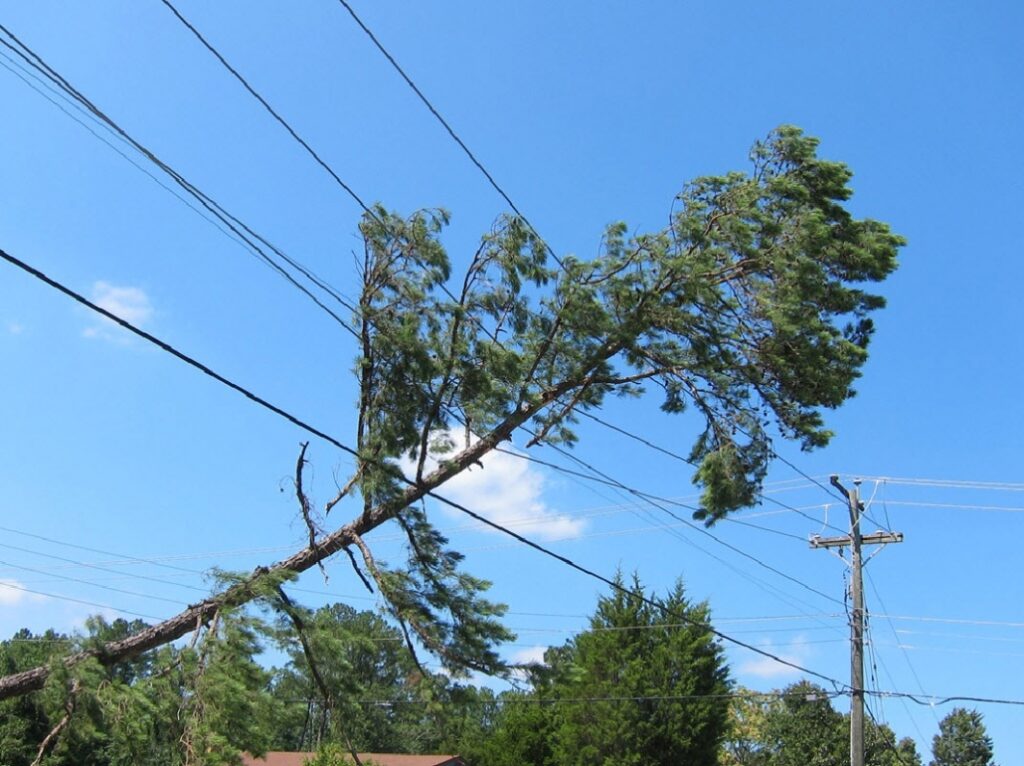
- Any potential overhead hazards, like trees, unstable structures, any damaged power lines, etc
- Extreme weather like storms, wind, or lightning
Check at eye level
- Level of visibility or light
- Potential on come traffic or bystanders
- Hazards like fire, gas, smoke, and chemicals
Check down low
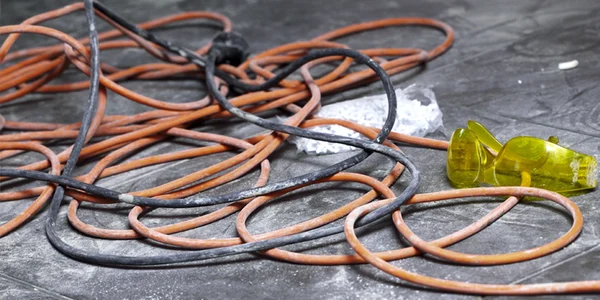
- Any loose wires
- Tripping hazards
- Ground condition or stability
- And the presence of sharp objects
Conducting a risk assessment
To conduct a comprehensive risk assessment, it is important:
- You should be aware of the outcome of the incident
- Understanding the possibility of the event happening
- Determine the level of severity of the risk
Dynamic risk assessment
A dynamic risk assessment needs to be conducted if situations are:
- An environment where the incident occurs changes rapidly
- Any unpredictable risks
- When a judgment must be made by the person
- When a provider has been using multiple approaches towards assessing a risk
Minimise the risk
After hazard identification, it’s vital to minimise risk by implementing several control measures. The purpose of minimising risk is to provide a safe environment for a first-aid provider.
These control measures are:
- By removing or eliminating the hazard
- Use of proper protective equipment against a hazard
- Removing the casualty from danger or isolating them from it
Isolating the hazard
A first aid provider can try to isolate the hazards as well by:
- Relocating the causality
- Advise the bystander to leave the scene of the incident to prevent any further casualties
- By disconnecting power lines, switchboards, or water lines involved directly or indirectly with the incident
To make the situation as safe as possible, it is important to act quickly above all. Remember, your safety is most important before treating any casualty.
If the situation is too risky
If any situation is too dangerous to handle, leave it to emergency personnel who have the training, skills, and equipment to manage it. Relying on your own safety in a dangerous situation may increase the risk of casualties. Some other situations may allow removal of the hazard or the casualty from the hazard. For example, removing a hazard would mean leaning away from broken glass at a motor vehicle accident scene or turning off the electricity at the main power board in an electrocution incident.
You should avoid moving casualties as little as you can, unless there is a risk of a hazard that you cannot remove, like fire or poisonous fumes. Moving a casualty, especially someone who is semi-conscious or unconscious, is very difficult and should be left to the emergency response team, who have better training and equipment to protect themselves as well as the casualty.
If it is necessary to move a casualty before an ambulance arrives, you need to take extreme care and use good manual handling practice, provided they are not at further risk, and you should check the casualties in the position in which you find them.
In any situation where you are unable to check a casualty in their current position, gently roll them onto their back, supporting the head and neck during the movement.
Expanded Learning Materials
Expanded
Learning
Materials