First Aid-Lesson 4-OPQRST, Glasgow Coma Scale and pulse
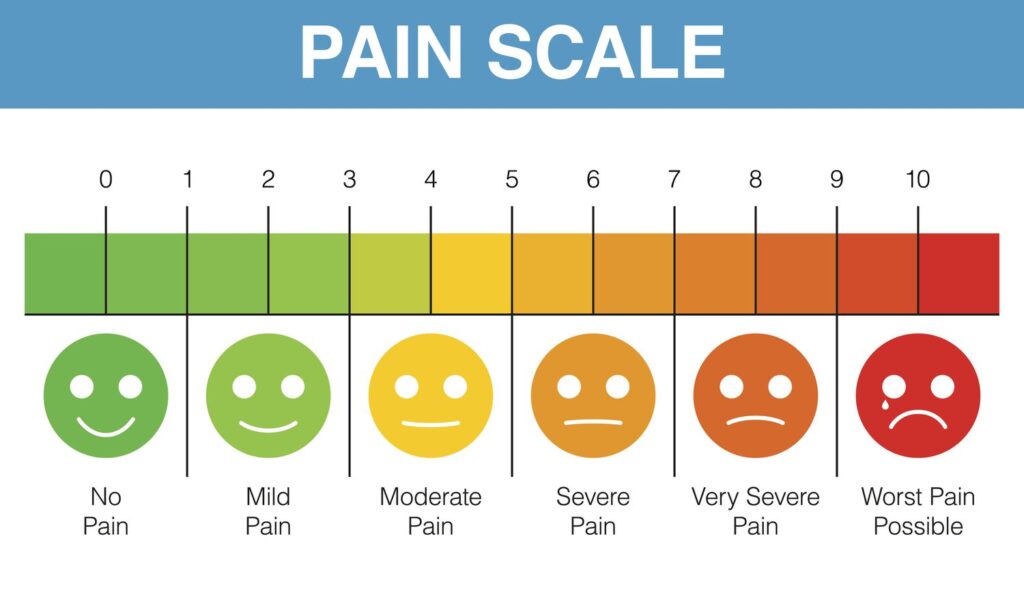
OPQRST
Glasgow Coma Scale
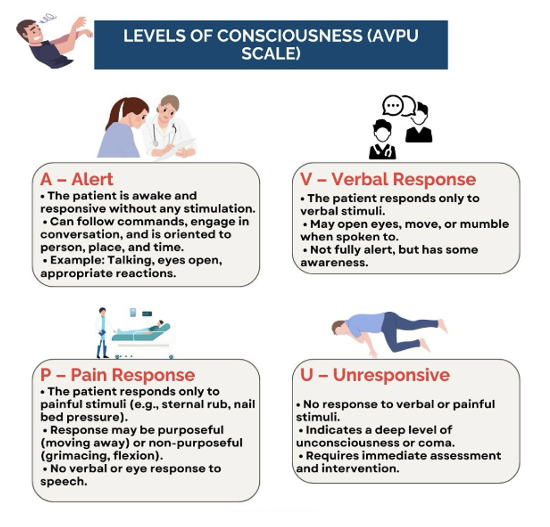
Check the casualty for a response by lightly touching them on the shoulders and asking if they are okay.
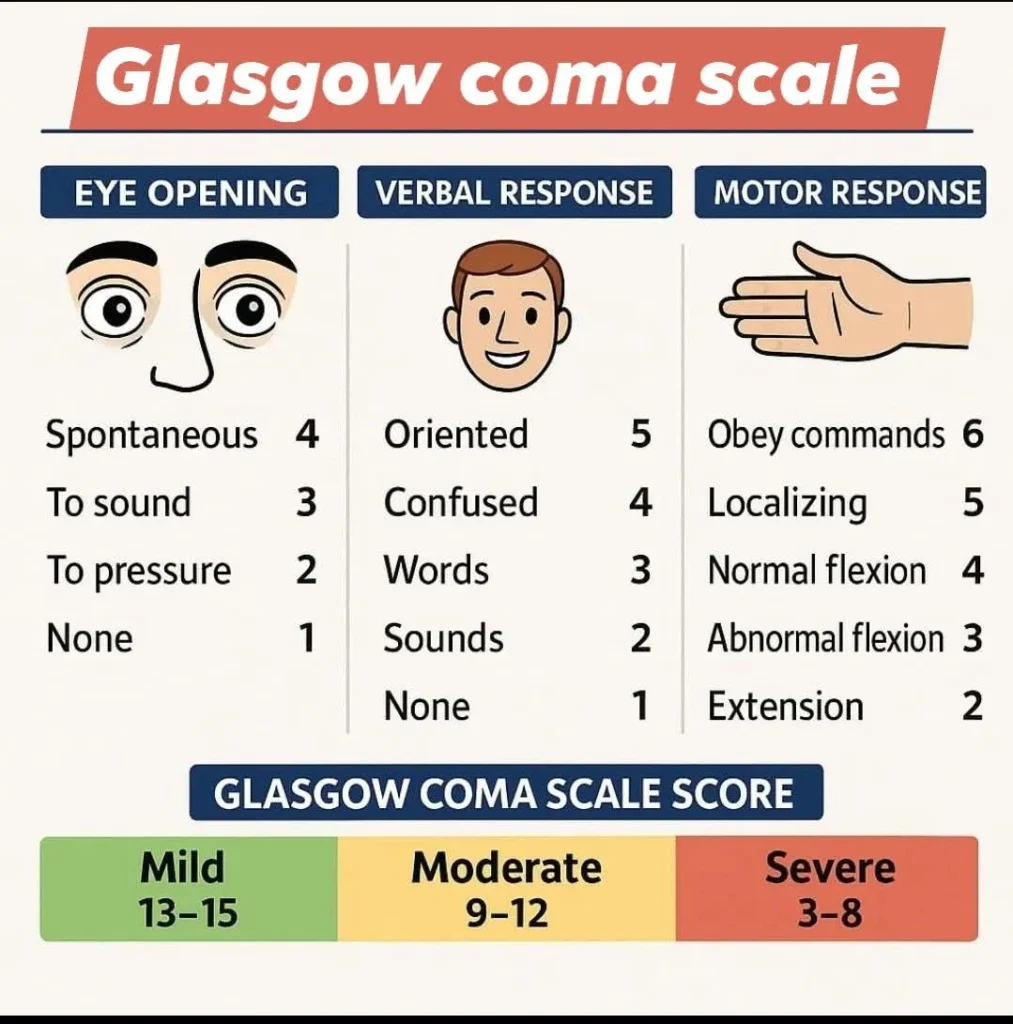
The Glasgow Coma Scale (GCS) was initially used to assess the level of consciousness in patients after head injury, but the scale is now used in many acutely unwell patients. In hospitals, it is also used to monitor patients in intensive care units. During placements, you may hear the GCS used to describe confused patients on care of the elderly wards, trauma patients in the emergency department, or patients seen by the “crash” medical emergency team. As a student, you might be asked to calculate the GCS score as part of the general or neurological examination of a patient, especially if the patient is confused, drowsy, or unresponsive.
Pulse
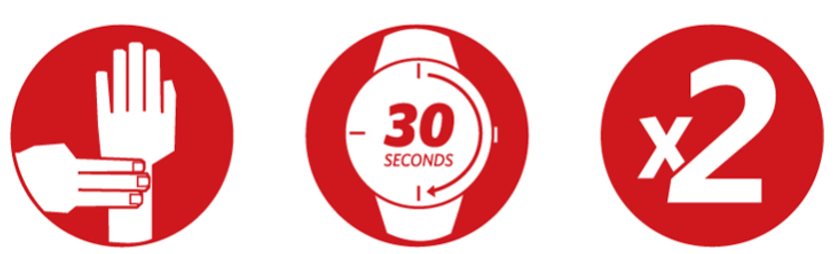
The pulse is the rate at which the heart beats. A pulse is usually called the heart rate, which is the number of times the heart beats per minute (bpm). But the rhythm and strength of the heartbeat can also be noted, as well as whether the blood vessel feels hard or soft. Changes in heart rate or rhythm, a weak pulse, or a hardening of the blood vessels may be caused by heart disease or another problem.
Respiration: Count breaths per minute.
- Adults – 12 to 20 breaths per minute
- Children – 16 to 25 breaths per minute
- Infants – 20 to 30 breaths per minute
- Rhythm. Is the breathing regular or irregular?
- Sounds. Is there gasping, gurgling, wheezing or snoring