First Aid-Lesson 15-Head, neck and spinal injuries
Symptoms of head injuries
Head injuries are classified as
- Open – bleeding wounds to the face or head
- Closed – No visible signs of injury to the face or head.
The soft, jelly-like brain is protected by the skull. The brain doesn’t fill the skull entirely – it floats in a clear, nourishing liquid called cerebrospinal fluid. This fluid acts as a shock absorber, but its protective value is limited.
The kinetic energy of a small knock to the head or face can be absorbed by the cerebrospinal fluid, but a hard impact can smash the brain against the inside of the skull. This can bruise the brain or tear blood vessels. If blood or blood serum begins to escape, the swelling remains contained within the skull. Intracranial pressure (pressure inside the skull) can cause permanent damage by literally crushing the brain.
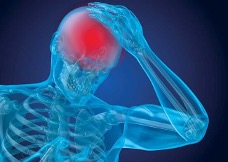
Symptoms of spinal injuries
A casualty who has experienced a head trauma may also have injured their spine. Signs and symptoms of spinal injuries may include:
- Floating sensations (described as if the patient has become detached from their body.
- Loss of sensation or tingling and burning feelings. Loss of bladder or bowel control.
- Loss of control or weakness of the limbs. All movement may be absent.
First aid for head, neck and spinal injuries
- If a casualty is bleeding after a head injury, apply a wet towel to the head and call 000.
- After being hit in the head, if a casualty is irritable, uncooperative, suffering from short-term memory loss, and feeling tired, maintain an open airway, sit the casualty down, lean them forward, ask them to support their jaw, and call 000.

Expanded Learning Materials
Expanded
Learning
Materials