First Aid-Lesson 11-Nose bleeds, minor wounds and sharp injuries
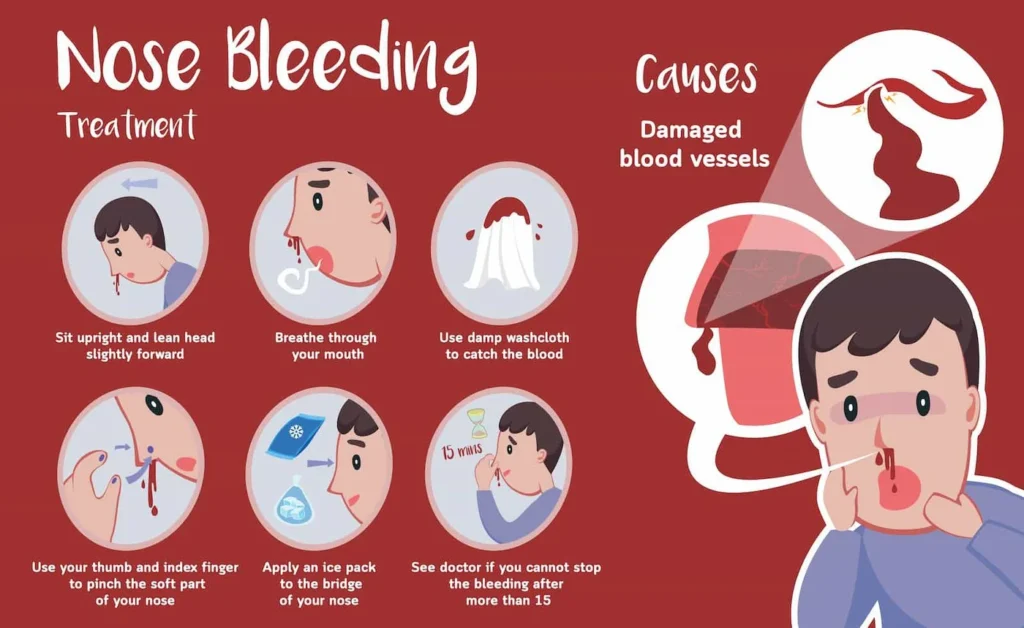
First aid for nose bleeds
A nosebleed occurs when a blood vessel in the nose ruptures. Nosebleeds can also occur from infections, injuries, allergic reactions, nose picking, or an object lodged in the nose.
First aid management for nosebleeds
- Sit the casualty upright and tilt their head slightly forward.
- Reassure the person – a child may become stressed, which may increase blood flow.
- Apply finger and thumb pressure on the soft part of the nostrils below the bridge of the nose for at least 10 minutes.
- Sit and get the casualty to lean forward (head tilted down).
- Loosen any tight clothing on the casualty.
- Encourage the casualty to breathe through their mouth.
- Place a cold cloth or cold pack on the person’s forehead and around the neck.
- If bleeding persists, seek medical attention from a Doctor or at a hospital.
First aid for minor wounds
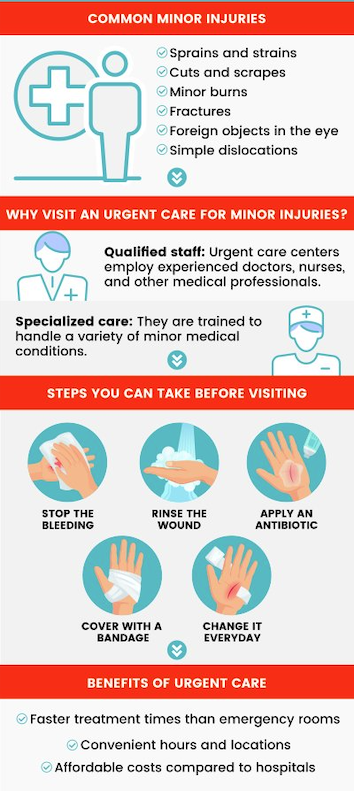
- Wash your hands
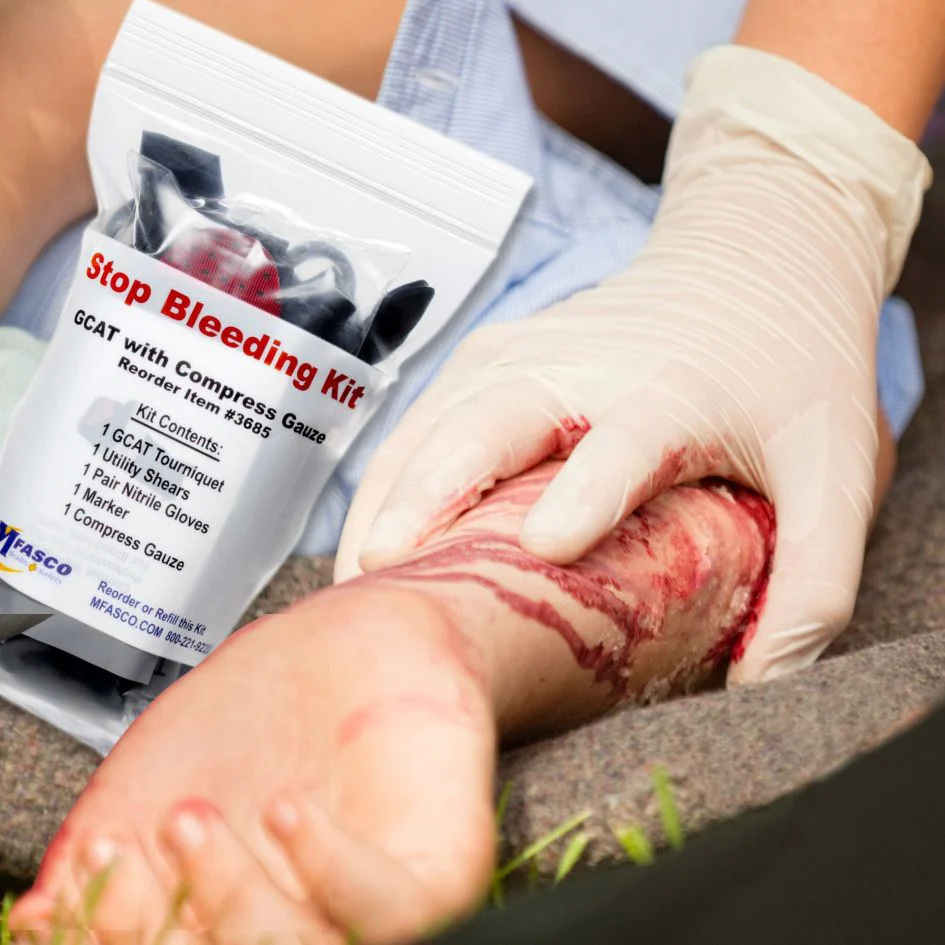
- Stop the bleeding – gently apply pressure with a clean bandage, elevate the wound until bleeding stops
- Clean the wound – Rinse it with lukewarm water. Wash around the wound with soap, while removing any dirt with a sanitised pair of tweezers.
- Apply Betadine, which will kill any leftover germs
- Cover the wound with a band-aid or gauze, depending on the length of the wound. This may prevent any infections in the wound
- When did you last get a tetanus shot? It is recommended that you have these every 5 years.
- Observe for any signs of infection, such as redness, swelling, and heat. If these symptoms occur, seek medical help.
First aid for sharp injuries
Health care workers are at risk of receiving a sharps injury in the line of duty. Blood-borne diseases that can be transmitted include the immunodeficiency virus (HIV), Hepatitis B (HBV), and Hepatitis C (HCV).
First aid immediately
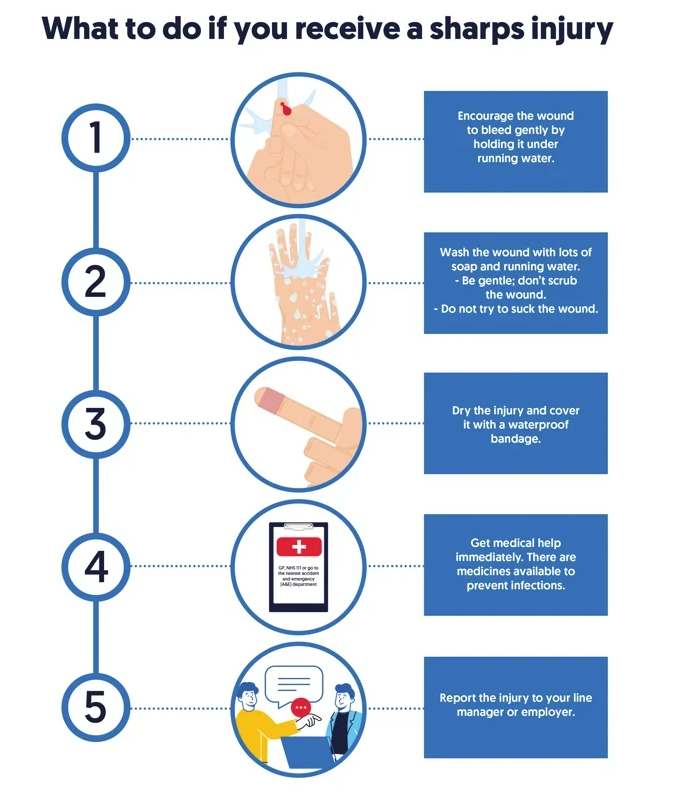
- Attend your Doctor immediately, or go to the nearest hospital.
- Wash the wound with soap, and if soap is unavailable, use an alcohol-based rub or solution.
- Immediately notify your supervisor or the OHS Officer and complete an accident report.
At the doctor’s surgery or emergency department, your doctor or the emergency doctor will:
- Take detailed information about the injury, including how long ago it happened, how deeply the skin was penetrated, whether or not the needle was visibly contaminated with blood, and any first aid measures used.
- Explain the transmission risks, which are small.
- Offer blood tests to check for pre-existing HIV, HBV and HCV. You should be offered counselling about these tests before the blood specimens are taken.
- Inform the original user of the needle about the needlestick injury, if they are known. They will be asked to consent to blood tests to check their HIV, HBV and HCV status. They should be provided with counselling before the tests are done.
- Advise you to reduce the risk of transmission until the test results are received. You should practise safe sex and avoid donating blood.
- Ask your doctor about additional counselling if you think that you will require it.
Expanded
Learning
Materials
Lesson Content
Quiz