First Aid-Lesson 1-Body systems
General information
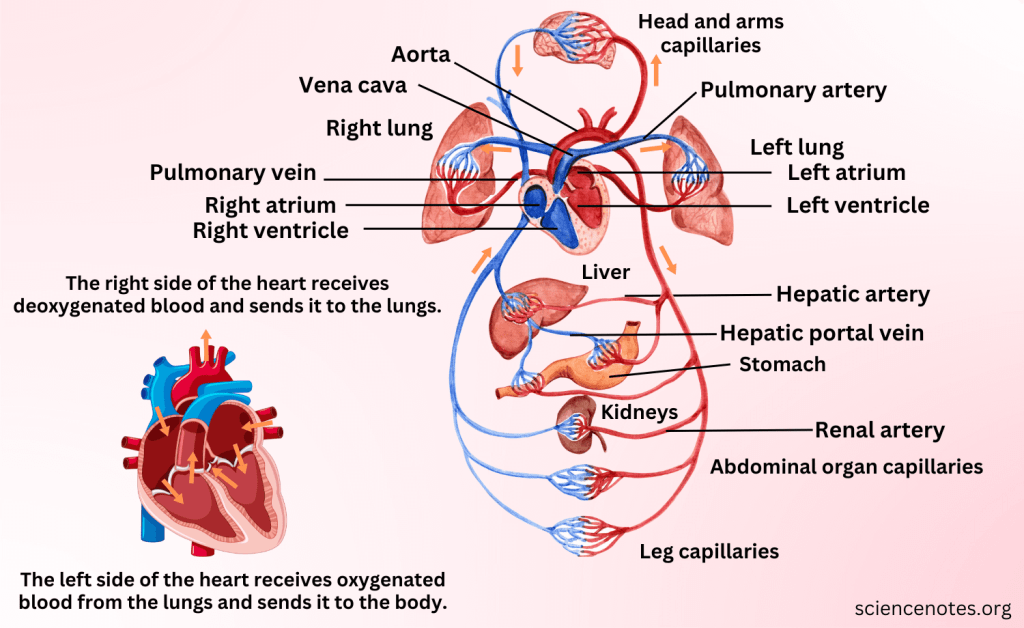
When checking a casualty for injury, you need to know some basic anatomy and physiology of the human body. This will help you assess the type of injury, how bad it is and how best to respond.
In life-threatening conditions, the heart can stop beating, organs can bleed internally, and the person may not be breathing normally because the lungs are being affected by the injury.
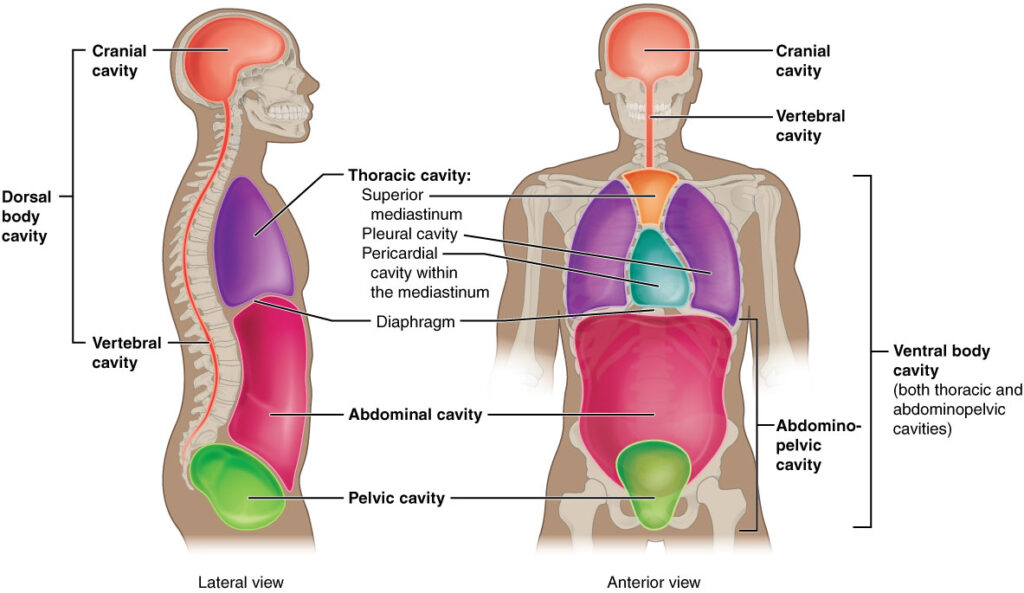
Integumentary system
The integumentary system includes the skin, hair and nails. The skin is the body’s first line of defence and the organ you will mainly be working with. Changes in the skin colour, temperature or texture should be noted.
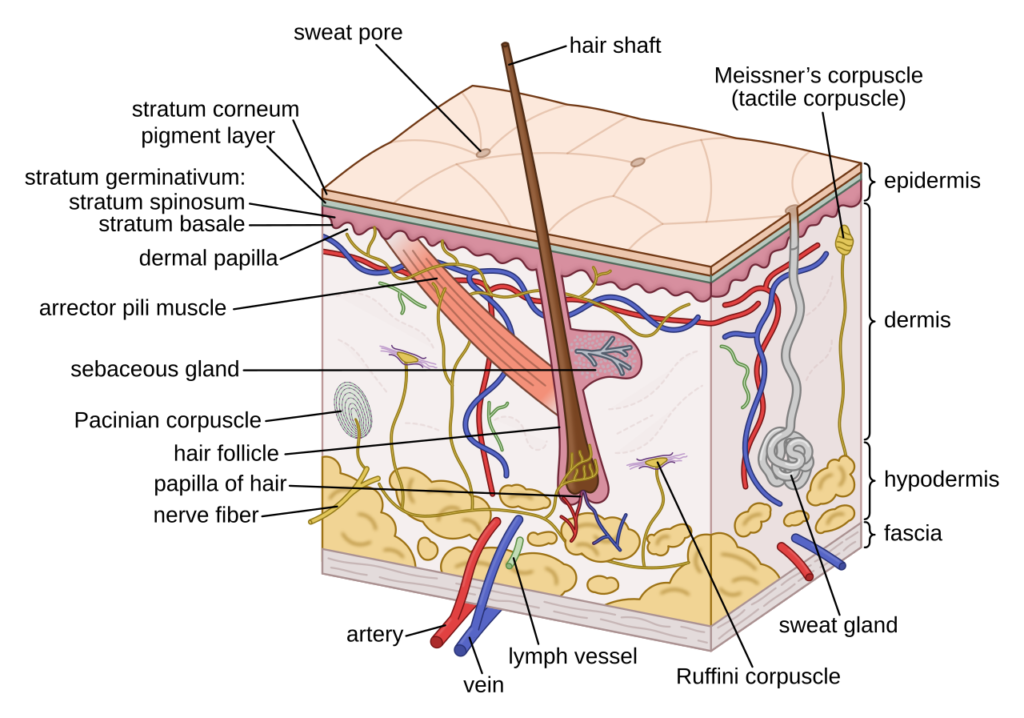
Respiratory system
The respiratory system is concerned with breathing. It contains the lungs, mouth, nose and the windpipe. If a person cannot breathe, they may suffer brain damage in less than 4 minutes.
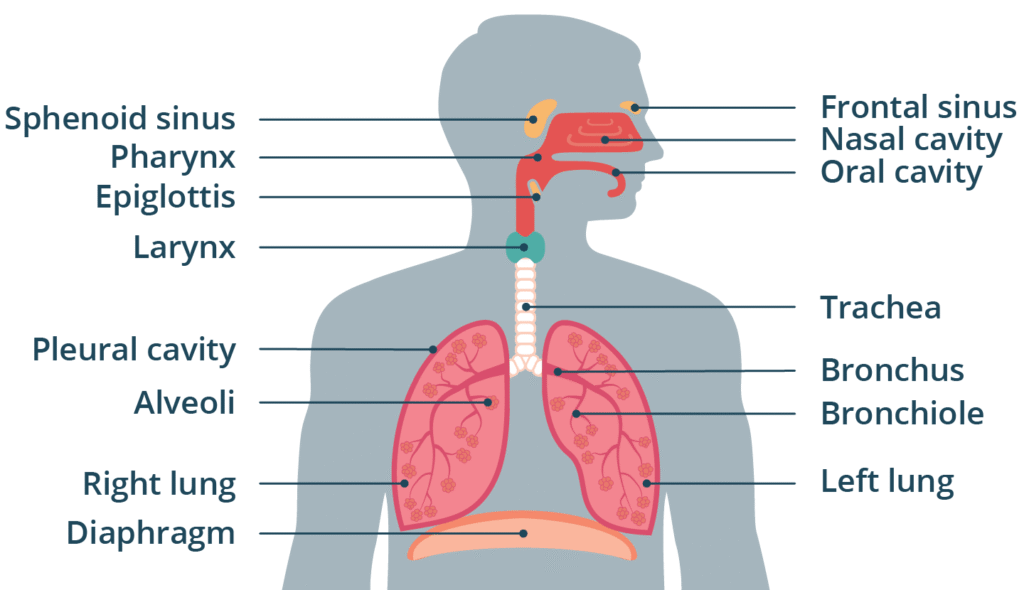
Circulatory system
The circulatory system moves blood around the body. It involves the heart, veins and arteries. Abrasions and cuts to the skin will bleed, and the rate of bleeding will show you whether a vein or artery has been injured. Blood from a vein will ooze or flow, whereas blood from an artery will spurt. Arterial bleeding needs to be controlled urgently because a person can bleed to death very quickly. Pressure should be applied to any bleeding areas.
Skeletal system
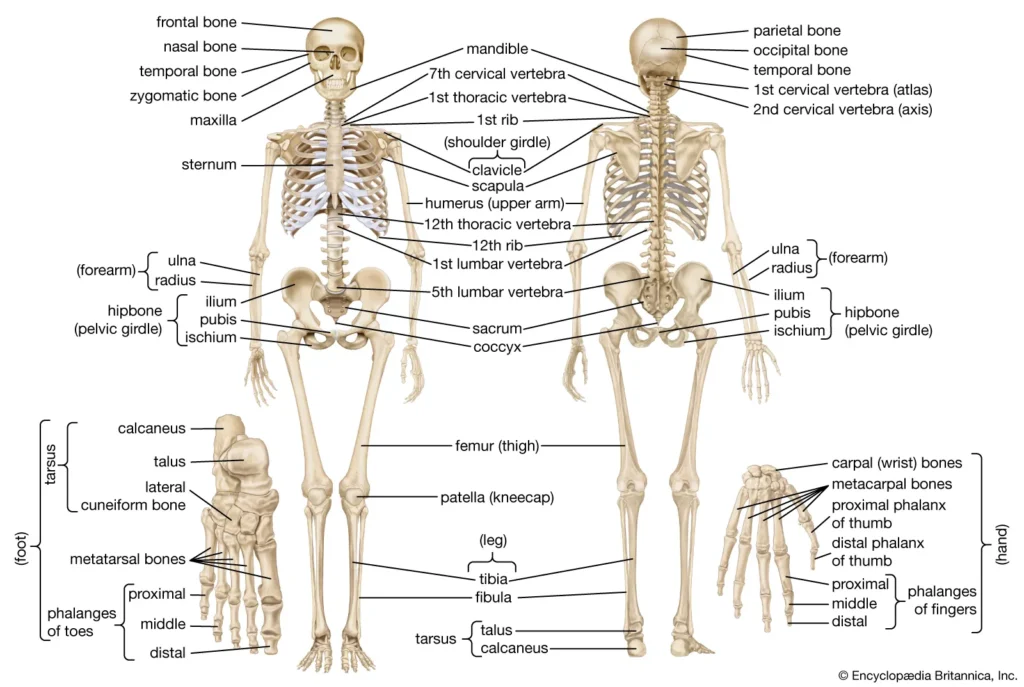
The skeletal system (skeleton) is the framework of bones, tendons, ligaments and muscles that holds the human body together. You can usually see a broken bone as it will look deformed or out of shape. If you think the injury involves a broken or fractured bone, it is better to treat it as a break and immobilise the area (keep it still) until medical assistance arrives. Muscle strains and sprains can be painful but are not life-threatening.
Nervous system
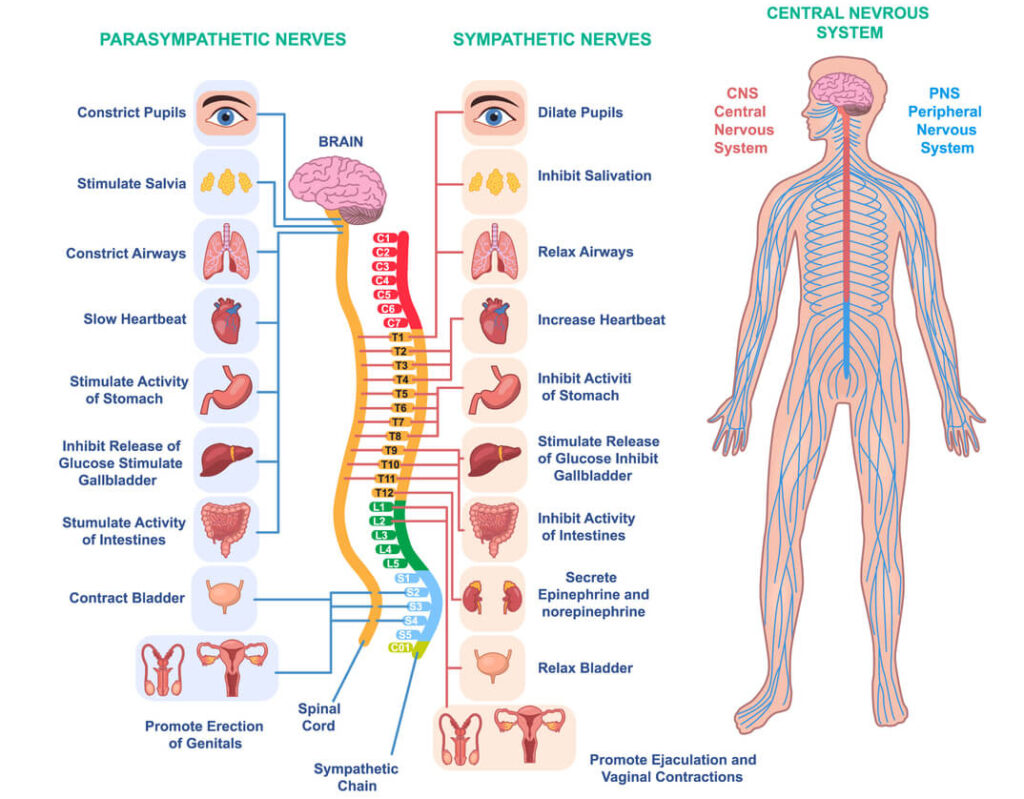
The nervous system sends messages through every muscle, cell, bone and fibre of the body. Damage to the nervous system that you need to worry about is potential injuries to the spinal column. This can kill or cause permanent paralysis.
Expanded Learning Materials
Expanded
Learning
Materials