CPR-Lesson 2-Legislation and legal obligations
Legislation and legal obligations
WHS Legislation
Work Health & Safety (WHS) legislation refers to laws and guidelines that help keep everyone in the workplace safe. There are different WHS requirements across Australia, so you need to be familiar with the laws and regulations for your state or territory. Talk to a WHS officer or representative in your workplace if you have any questions about WHS legislation.
Duty of Care
Duty of care means that you must take reasonable steps to protect the health and safety of yourself and others, while making sure you don’t knowingly cause harm to someone else. As a bystander, you cannot be forced to try to rescue someone in an emergency situation, even though you are trained to provide CPR. However, if you are the assigned first-aid/CPR officer at your workplace, you do have a legal obligation to provide treatment. Once you commence CPR, the law states that you must keep going until:
- Vital signs return.
- Medical assistance arrives (e.g. ambulance).
- Exhaustion makes it impossible to continue.
- Authorised personnel declare the casualty officially dead.
Negligence
As a person with CPR training, you should take all reasonable steps to follow all CPR guidelines and protocols. You should also make sure you don’t take unnecessary risks or say you can do something when you can’t. You should not be put off trying to help. The Good Samaritans (or Civil Liability) Act aims to protect anyone trained in first aid from being sued if something goes wrong and the casualty suffers injuries caused by the first aider’s actions. Most people are grateful for being given first aid and CPR, but sometimes a person might take their rescuer to court for negligence – although no “Good Samaritan” has ever been successfully sued in Australia.
Consent
In most cases of CPR, the casualty will be unconscious, and you won’t be able to ask them for consent to perform CPR. In these cases, the law assumes that the person would have given consent if they had been able to do so.
If the casualty is a child, their parent or guardian should be asked for consent if they are present. If they aren’t available, it can be assumed that consent for first aid would have been given.
Depending on their level of consciousness, the casualty might say “No” or use hand gestures/body language.
Some people may not consent because of their cultural, religious, or personal beliefs about medical or first-aid treatment.
If you aren’t sure whether the casualty has given consent to receive first aid, you may go ahead with the treatment as long as there has not been an outright refusal.
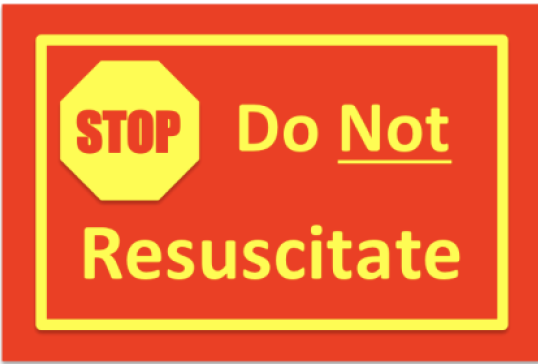
Other people might be wearing a medical identification tag, such as a necklace or bracelet. This will provide information such as the casualty’s name, emergency contact, medical conditions, allergies, and any medical treatments they would refuse. An elderly and infirm person might have a medical tag with a Do Not Resuscitate (DNR) order.
Privacy and confidentiality
It is important to keep records of emergencies and injuries, including what happened and how it was addressed.
Record-keeping and reporting requirements can vary between states and territories, industries, and workplaces. If you are a first aid officer in your workplace, make sure you follow the appropriate recording guidelines and procedures.
If providing first aid and CPR outside the workplace, you should record the event or at least keep notes on what you did.
Records and reports should be clear and concise, as they may be used as a legal document in court. Make sure you record your details accurately, stick to the facts and your observations, and don’t include your opinions.
You also need to be aware of privacy and confidentiality laws that protect medical details and information from being made public. They also ensure that private information is handled only by authorised workers on a ‘need to know’ basis. When providing first aid and CPR, you will obtain private casualty details and medical information. This must not be shared with anybody who is not directly involved in the first aid treatment, reporting or continuing treatment of the casualty. Information in incident reports, notes taken, and conversations held between medical staff (paramedics, nurses and doctors) must be kept confidential. Even after the incident, you should be careful when talking about it. It doesn’t matter how long ago the incident occurred. Each workplace will have privacy policies and procedures to safeguard sensitive medical information, including first-aid details. All casualty information must be kept confidential, or legal action could be taken.
Expanded Learning Materials
Expanded
Learning
Materials