CPR-Lesson 13-Stress management
PTSD: Post-Traumatic Stress Disorder
CPR can be a traumatic experience for those providing it and receiving it. Not everyone who is involved in serious incidents will be badly affected, but some people can suffer from mental health issues such as Post-Traumatic Stress Disorder (PTSD).
Signs of trauma or stress may include:
- Anxiety.
- Irritability.
- Disturbed sleep.
- Flashbacks.
- Feeling numb.
- Emotional outbursts.
To manage anxiety and stress, there are counselling services, meditation courses and other resources available, such as:
- Telephone counselling operators – LifeLine is a free 24-hour service available nationally (call 13 11 14), and Beyond Blue offers counselling (1300 224 636 or www.beyondblue.org.au).
- A GP (general practitioner) or family doctor can be a good place to start, as they can refer you to a qualified psychologist for face-to-face counselling if needed.
- Local community health services – some offer face-to-face counselling, meditation classes and other stress management programs.
Other strategies available to help deal with stress are:
- Talking with friends and co-workers.
- Debriefing.
- Taking part in leisure activities and hobbies.
- Eating well and getting enough sleep.
- Other activities (e.g. yoga, tai chi, meditation).
Debriefing
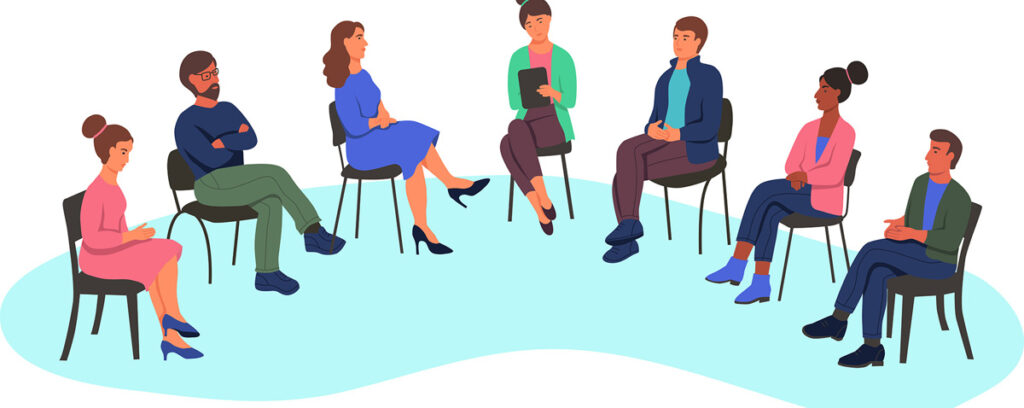
Being involved in a first aid CPR situation can be a high-stress situation and debriefing is an important technique to help people cope.
Debriefing should be conducted as soon as possible after an emergency situation.
It will involve talking to your supervisor, work colleagues, or a counsellor about any problems you may have experienced during the emergency response, including CPR procedures.
Debriefing is a chance to learn from the experience and look at your own abilities and reactions in a crisis. You can go over the situation in your mind and ask yourself if there were things you could have done better. Was there anything you couldn’t do because you had forgotten it or never learned it in the first place?
Be honest with yourself, and always be on the lookout for ways to improve your skills.
Your organisation can also learn from your experience and use your feedback to develop methods to improve emergency response techniques and CPR procedures.
Your supervisor might decide to send you to relevant training courses to update your first aid and CPR skills.
Debriefing might also help you move on from the incident.
Expanded Learning Materials
Expanded
Learning
Materials