CPR-Lesson 12-Report incident and casualty details
Details and report
Once you have started treating the casualty, you must keep monitoring their vital signs.
You need to keep a record of any changes in the casualty’s condition, as well as details of the first aid treatment you have provided. This could include medication taken, how long a person is unconscious, use of CPR techniques and breathing and circulation problems. It will help you to keep track of how the casualty is going.
You need provide accurate details to emergency response personnel when they arrive and to your supervisor, if necessary. Records may include verbal reports, approved forms, written reports and personal notes.
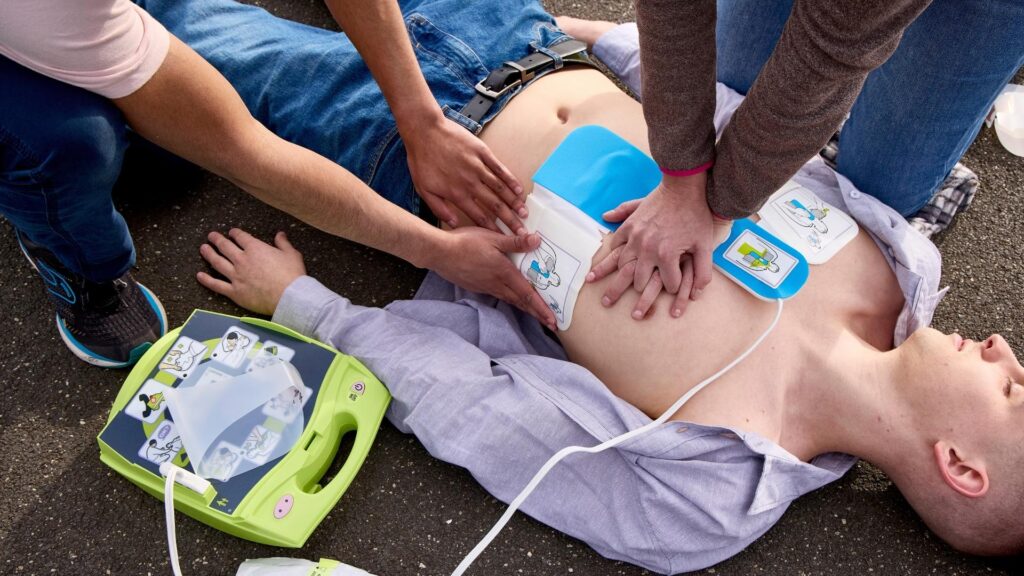
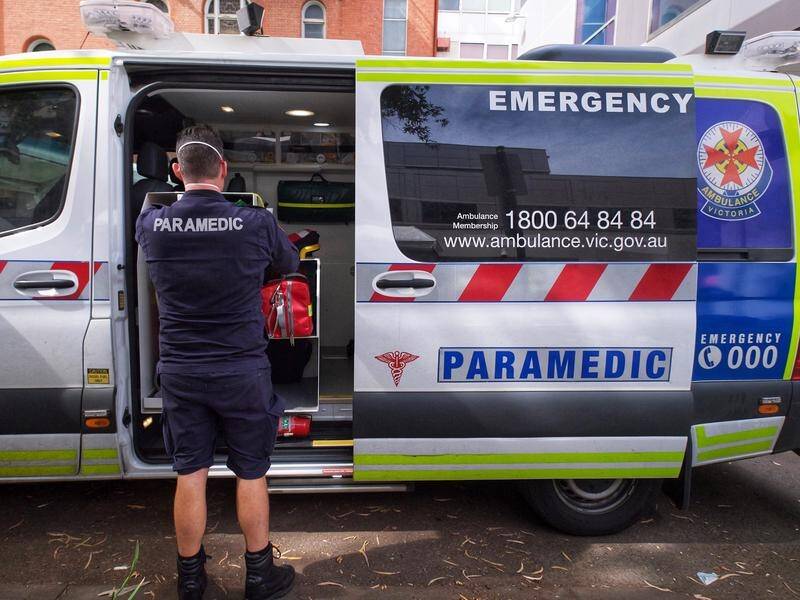
Make sure your information is accurate and clear. Stick to the facts about what has happened and don’t include your opinions. Try to use the right technical terms to report the casualty’s physical condition or at least clearly describe the type or location of injuries. Answer any questions and give your verbal report in a calm and concise manner. Details in your report should include:
- Name, age and address of casualty, if known.
- Time of incident.
- History of incident/injury.
- Description of any injuries and/or illness.
- Changes in level of consciousness.
- Changes in vital signs, e.g. temperature, pulse rate, respiratory rate, and blood pressure.
- Changes in skin colour.
- Treatments you have given.
- Changes in the casualty’s mental status.
- Response to each treatment.
Report to supervisors
As well as reporting incident and casualty details to emergency response staff, you will need to provide a similar report to your workplace supervisor where appropriate.
Your workplace might also want you to complete an incident form or another type of written report about the incident and casualty.
When providing verbal or written reports, always comply with your state’s privacy and confidentiality laws. Remember, by filling in and signing an incident report form, it becomes a legal document.
See Appendix A for an example of a first aid/incident report form.
Reporting the incident to your supervisor can help to make your workplace safer by reducing the chance of other workers being injured by the same or similar hazards.
Your report may also be used by your organisation to change or improve first aid procedures and the way CPR is provided.
Each organisation will have policies and procedures for making incident and first aid reports. These may include:
- Legislation relevant to the provision of emergency care.
- Legislation relevant to your workplace.
- Standard operating procedures.
- Operational performance standards.
Remember, there are privacy laws that protect personal information in medical reports. This information must be kept confidential.