First Aid-Lesson 16-Fracture, sprains, strains and dislocation
Symptoms of fractures
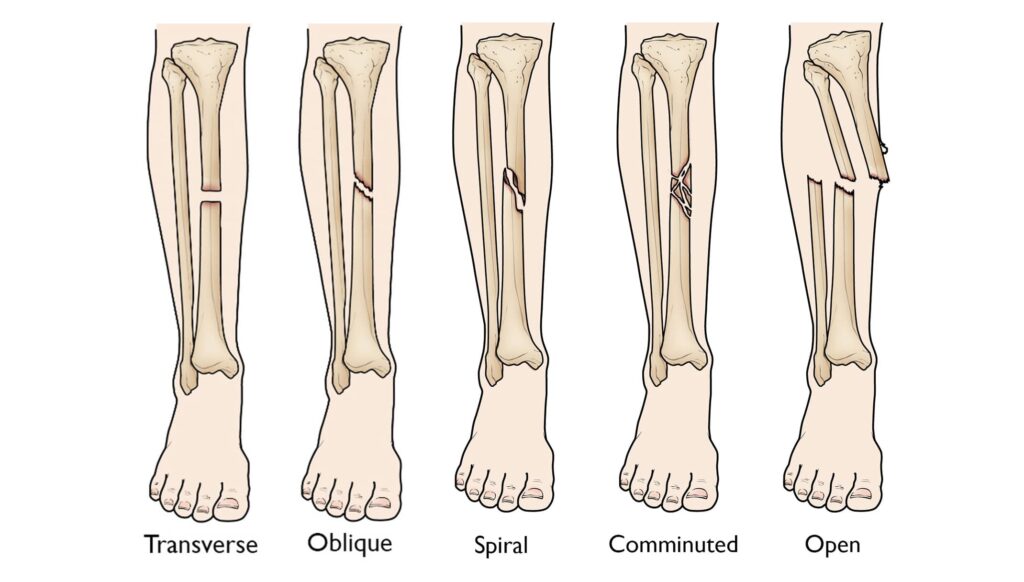
A bone fracture may not be visible or may be extremely obvious.
The signs and symptoms of a bone fracture
- Pain
- Swelling
- Bruising
- Difficulty moving
- Altered limb alignment
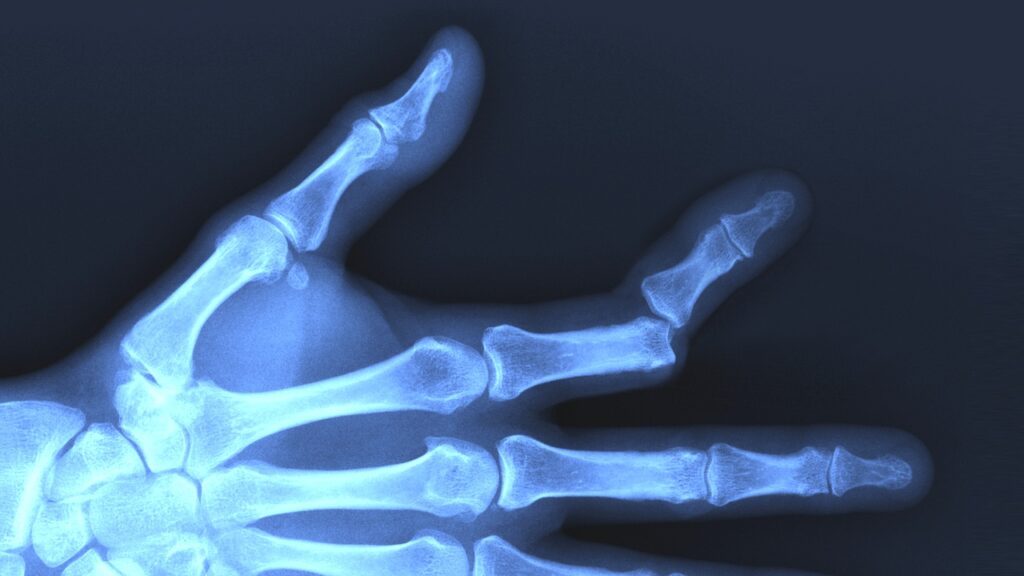
Once a Doctor has confirmed the location and type of the fracture, which is generally identified by X-ray, they will develop a treatment plan for the casualty.
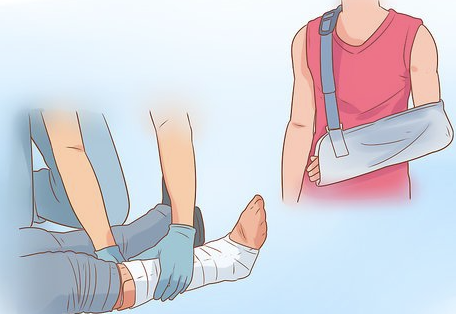
First aid for fractures
External fixation – Screws and wires are inserted in the bone by the surgeon, who will then attach a metal bar to the outside of the skin.
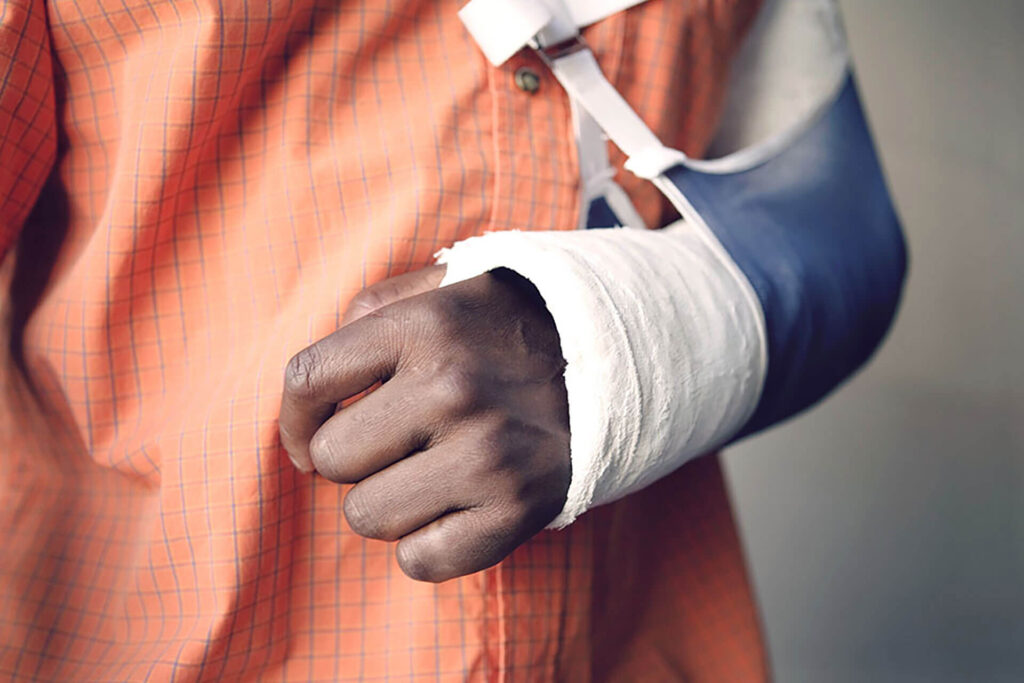
Cast or brace – This treatment allows limited movement and depends on the fracture’s severity and whether further treatment is required.
Immobilised cast – Once the bone has been aligned, a plaster or fibreglass cast is placed around the fracture. When this type of cast is used, the bone cannot move, which allows the fracture to heal properly.
Open reduction and internal fixation – After the surgeon has realigned the bone, metal plates or special screws are used to hold it in place. A metal rod may also be used to stabilise the fracture. The screws and plates may be left in the bone once the fracture has healed.
Traction – Weights and pulleys are used to gently align a broken bone. This treatment is generally used for a casualty awaiting surgery.
Symptoms of sprains and strains
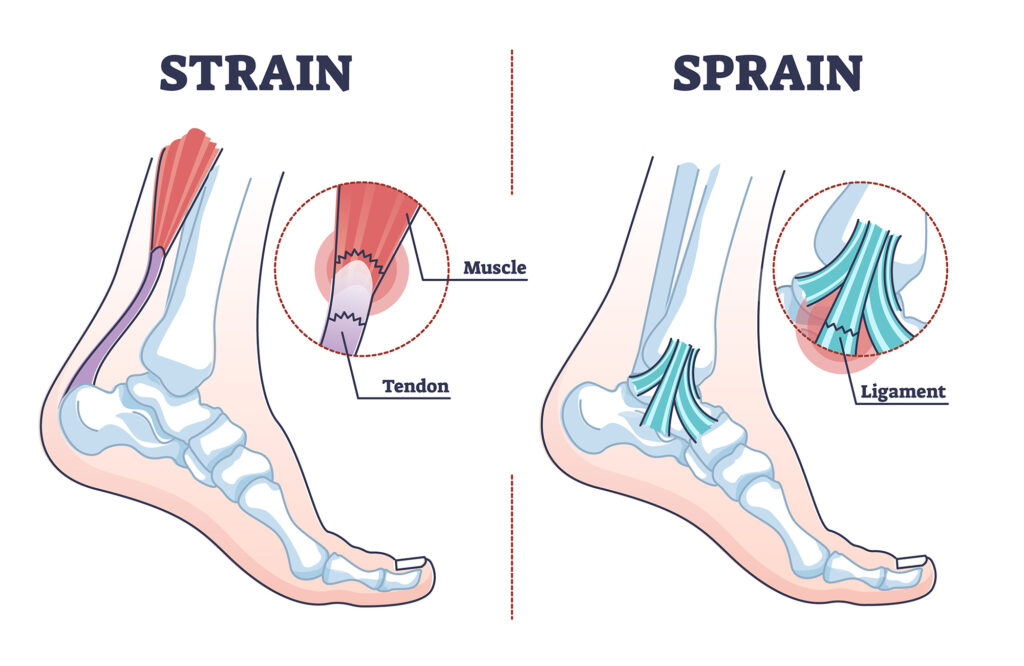
A sprain Vs a strain
A ligament injury and a muscle or tendon strain are different. They are common orthopaedic injuries. A strain may also be identified as a ‘torn muscle” or “muscle pull”.
Signs and symptoms of sprains
- Pain
- Swelling
- Bruising
- Decreased range of motion
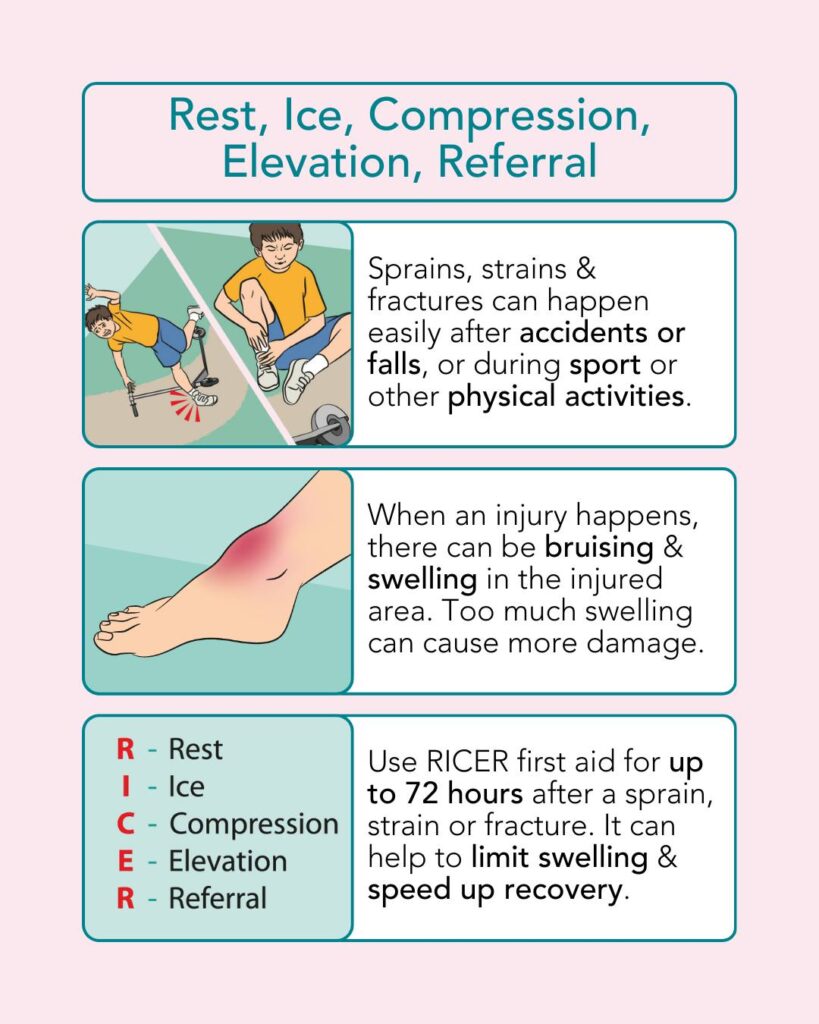
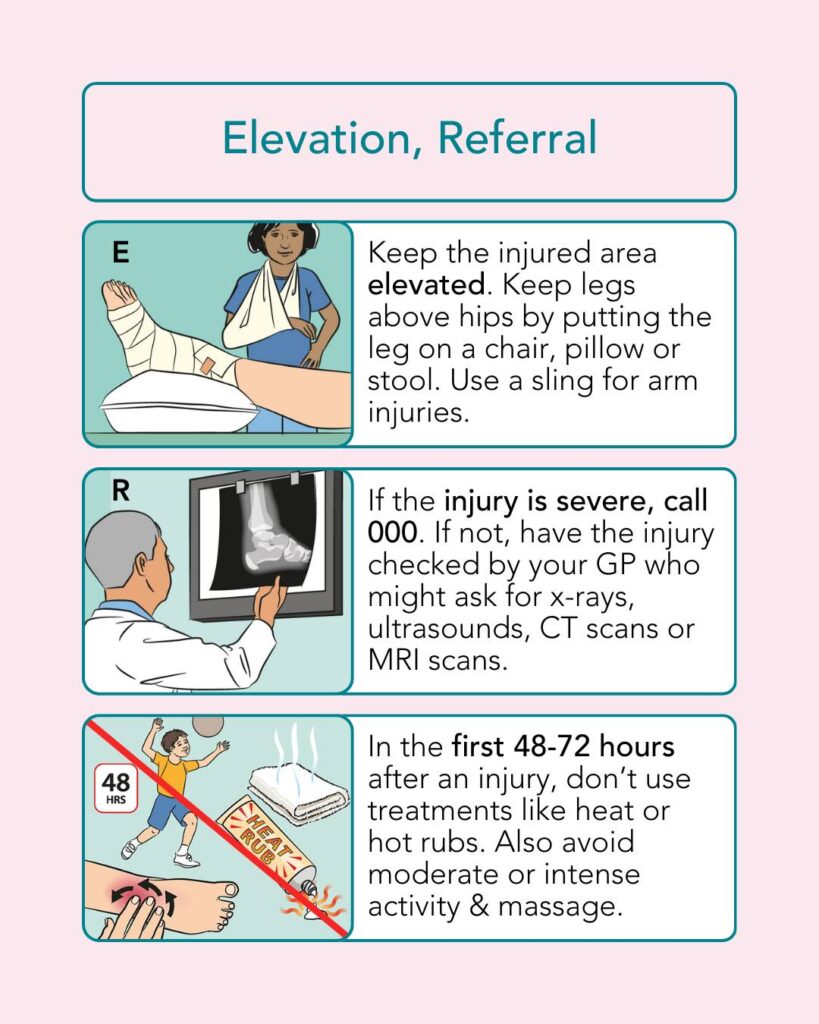
First aid for sprains and strains
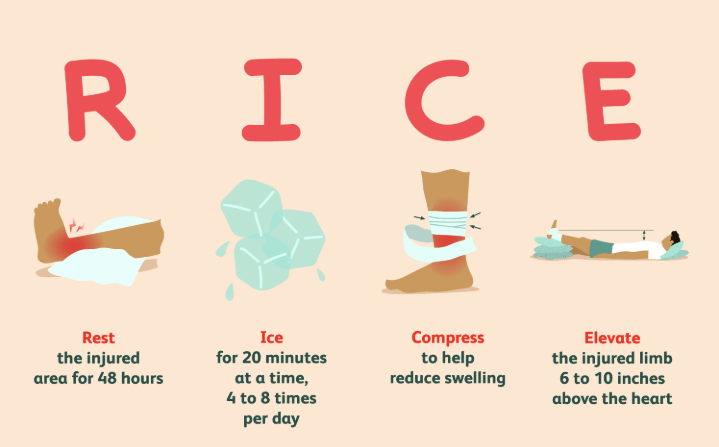
Symptoms of dislocations
A dislocation occurs when a bone slips out of a joint. Any bone in your body can be dislocated. This is classified as a medical emergency because the bone is out of position, and medical attention should be sought immediately. If your dislocation is left untreated, it may damage your nerves, blood vessels, and ligaments.
Symptoms of dislocation
- Pain during movement
- Tingling sensation
- Numbness around the affected area
- Loss of movement
First aid for dislocations
- Do Not Reposition: Never attempt to force the bone back into place; this can damage surrounding nerves, blood vessels, and tissues.
- Immobilise the Joint: Keep the joint in the position you found it. Support it with soft padding, bandages, or a splint.
- Apply Cold Packs: Wrap an ice pack in a cloth and apply it to the joint for 15–20 minutes to help manage swelling.
- Support the Limb: For shoulder or arm dislocations, use a sling to minimise movement.
- Check Circulation: Check if the injury has affected blood flow below the injury (e.g., check for pulse, warmth, and colour in fingers/toes).
- Seek Medical Care: All dislocations require professional medical treatment to ensure the joint is properly reduced.
Expanded
Learning
Materials
Expanded Learning Materials
Expanded
Learning
Materials