First Aid-Lesson 7-Shock
Signs and symptoms of shock
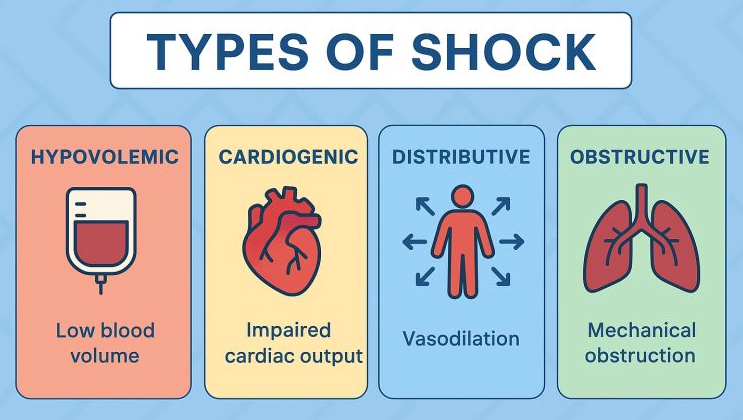
Shock is a critical condition caused by a sudden drop in blood flow throughout the body. Shock may result from trauma, heatstroke, blood loss, an allergic reaction, severe infection, poisoning, severe burns or other causes. When a person is in shock, their organs aren’t getting enough blood or oxygen. If untreated, this can lead to permanent organ damage or even death.
Signs and symptoms of shock vary depending on circumstances and may include:
- Cool, clammy skin
- Pale or ashen skin
- Bluish tinge to lips or fingernails (or grey in the case of dark complexions)
- Rapid pulse
- Rapid breathing
- Nausea or vomiting
- Enlarged pupils
- Weakness or fatigue
- Dizziness or fainting
- Changes in mental status or behaviour, such as anxiousness or agitation
First aid for shock
If you suspect a person is in shock, call 000 or your local emergency number. Then immediately take the following steps:
If the person vomits or begins bleeding from the mouth, and no spinal injury is suspected, turn him or her onto a side to prevent choking.
Lay the person down and elevate the legs and feet slightly, unless you think this may cause pain or further injury.
Keep the person still and don’t move them unless necessary.
Begin CPR if the person shows no signs of life, such as not breathing, coughing, or moving.
Loosen tight clothing and, if needed, cover the person with a blanket to prevent chilling.
Don’t let the person eat or drink anything.
Expanded Learning Materials
Expanded
Learning
Materials